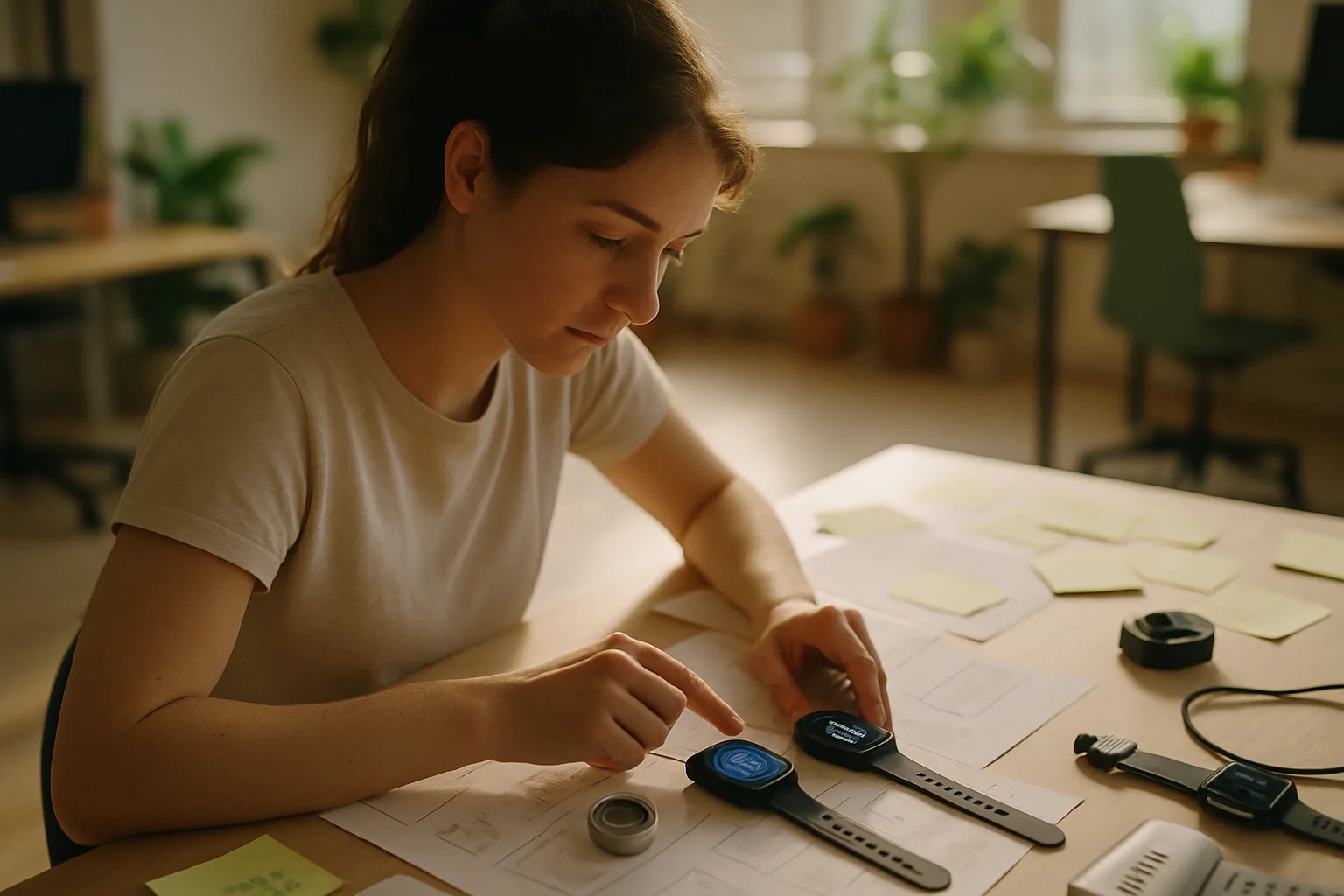
As wearable technology advances, designing intuitive and secure health and fitness apps becomes crucial. Explore emerging trends and strategies to succeed in this dynamic market.
- Wearable tech market projected to reach $229.9 billion by 2033.
- AI and medical sensors drive innovation in health monitoring.
- User-centered design is key for app success.
- Data privacy and interoperability are critical considerations.
- Integration with healthcare systems enhances app credibility.
In a world increasingly driven by technology, the wearable tech market is rapidly evolving, revolutionizing how we approach health and fitness. As the sector grows, developing user-friendly apps that leverage cutting-edge innovations is more critical than ever.
Understanding the Growth of Wearable Tech
The wearable technology market is on a remarkable growth trajectory. Valued at $92.9 billion in 2025, it's expected to soar to $229.9 billion by 2033, driven by a CAGR of 12.1% from 2026 to 2033. This surge is mirrored in the fitness apps market, projected to increase from $12.1 billion in 2025 to $33.6 billion by 2033.
Leveraging Emerging Trends
AI-Powered Health Monitoring
Wearables are increasingly integrating AI to provide personalized health insights. These advancements allow apps to move beyond mere data collection towards proactive health management, offering users tailored advice for better health outcomes.
Medical-Grade Sensors
The inclusion of advanced sensors in consumer devices enables continuous monitoring of vital signs like ECG and blood oxygen levels. This enhances the accuracy and utility of health data, making apps more relevant and effective.
Diverse Form Factors
The expansion beyond smartwatches to smart rings, patches, and other discreet devices offers users diverse options for health monitoring, accommodating different lifestyle needs and preferences.
"The future of wearable tech lies in its ability to integrate seamlessly into our lives, providing actionable health insights without being intrusive."
Designing User-Centered Apps
Creating intuitive interfaces that cater to a broad user base is crucial. Here are key design considerations:
- User-Centered Design: Prioritize ease of use and accessibility.
- Data Privacy: Implement robust measures to protect sensitive health data.
- Interoperability: Ensure compatibility with various devices and platforms.
- Personalization: Use AI to offer tailored health insights, enhancing engagement.
Overcoming Challenges and Seizing Opportunities
While the opportunities in wearable health tech are vast, developers must navigate certain challenges:
Data Overload
Apps should help users interpret and act on health data meaningfully, avoiding information fatigue.
Regulatory Compliance
Staying informed about health data regulations ensures compliance and builds user trust.
Integration with Healthcare Systems
Exploring partnerships with healthcare providers can enhance app credibility and utility, offering more comprehensive solutions to users.
Business Benefits of Embracing Wearable Tech
By staying ahead of trends and focusing on user-friendly design, businesses can capture a significant share of the burgeoning wearable tech market. Developing apps that meet user needs and expectations not only drives engagement but also positions companies as leaders in health innovation. As the market evolves, the potential for growth and impact is immense.
Frequently Asked Questions
What are the key trends in wearable health tech?
Key trends include AI-powered health monitoring, medical-grade sensors in consumer devices, and an expansion into diverse form factors like smart rings and patches.
How can app developers address data privacy concerns?
Developers can address data privacy concerns by implementing robust security measures and ensuring compliance with relevant regulations.
Sources
- Wearable Technology Market Size, Share Report 2026-2033
- Fitness Apps Market Size, Share & Trends Report 2026-2033
- Wearable Health Tech 2026: Market Trends & AI Revolution ...
- 10 Wearable Health Tech Trends for 2026 (Sensors, Rings, and Continuous Monitoring)
- CES 2026 Wearable Trends: Latest AI-Powered Innovations You Need to Know | Wearable Fitness Tech